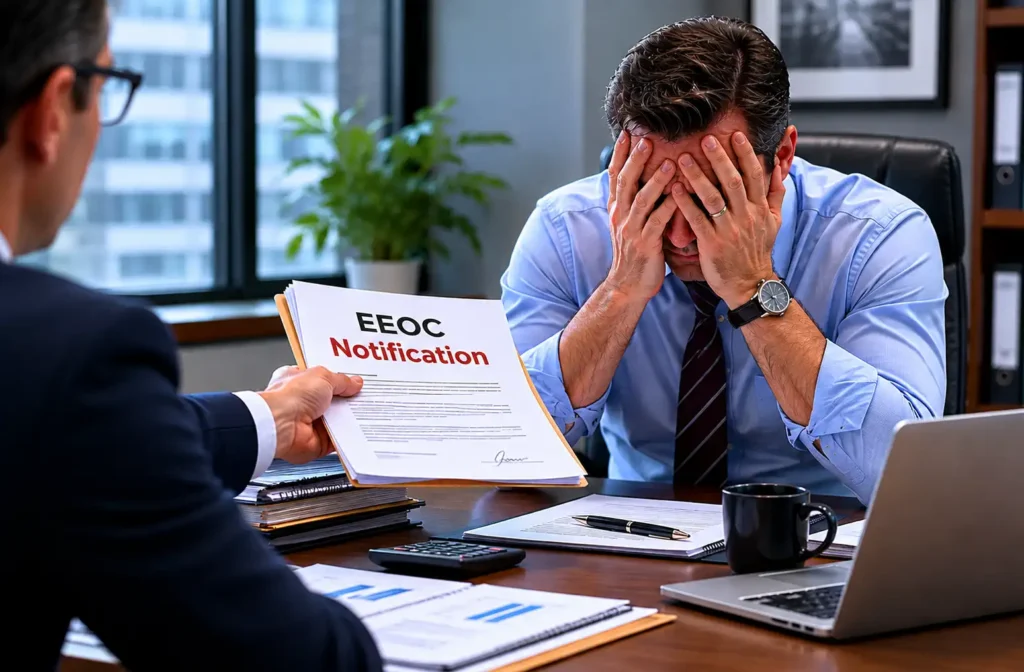
If you are dealing with unpaid wages, dangerous working conditions, or an abusive boss, figuring out exactly how to file a labor board complaint is the first step toward getting justice. You do not need an expensive attorney to start this process. The system is designed for everyday workers to navigate, but you must know which agency to contact and what evidence to bring to the table.
- To file a labor board complaint, gather your pay records and determine the correct agency for your issue. For wage theft, file online or call the federal Wage and Hour Division (WHD) at 1-866-487-9243, or contact your State Department of Labor. Filing is free, and it is strictly illegal for your employer to retaliate against you.
This 2026 guide is your strategic action plan. We will clear up the confusion about which government agency handles which problem, outline the exact evidence you need to gather, and explain how to protect your job while the investigation takes place.
Which “labor board” should I file my complaint with?
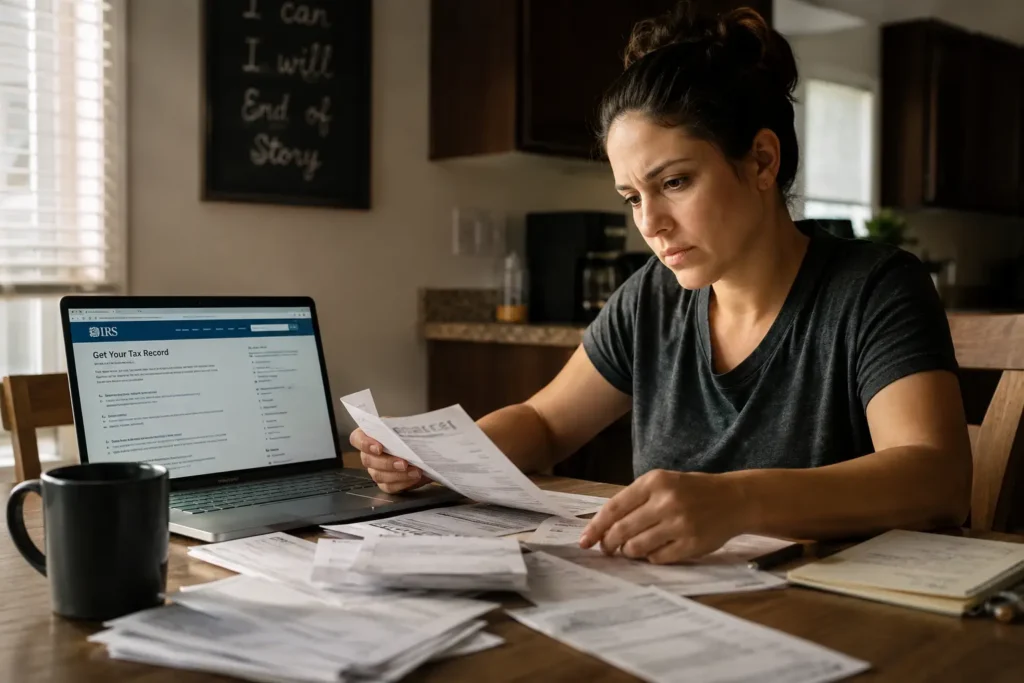
The term “labor board” is actually a myth; there are different federal agencies for different problems. You must route your complaint correctly: the WHD handles wage theft, the NLRB handles union busting, the EEOC handles discrimination, and OSHA handles safety violations.
The biggest mistake workers make is sending their complaint to the wrong agency, which delays their case by months. Before you file, you must categorize your grievance:
- Wage and Hour Division (WHD): This branch of the U.S. Department of Labor (DOL) handles violations of the Fair Labor Standards Act (FLSA). Contact them if your boss is stealing tips, refusing to pay overtime, or paying below minimum wage.
- National Labor Relations Board (NLRB): The actual “labor board” handles violations of the National Labor Relations Act (NLRA). You file an Unfair Labor Practice (ULP) charge here if your boss fires you for discussing your pay with coworkers, organizing a union, or participating in a strike.
- Equal Employment Opportunity Commission (EEOC): File here if you are being harassed or fired due to your race, gender, religion, age, or disability.
- Occupational Safety and Health Administration (OSHA): File here to request a surprise inspection if your workplace has hazardous conditions, toxic chemicals, or lacks safety equipment.
What evidence do I need to file a labor board complaint?
To file a successful complaint, gather your W-2s, pay stubs, and any written communications with your boss. However, if your employer pays in cash or refuses to provide pay stubs, your personal written estimates are legally sufficient to trigger an investigation.
Do not let a lack of official paperwork stop you from filing. Under the legal burden of proof, it is the employer’s strict legal duty to maintain accurate payroll records. If they fail to do so, the law favors the worker.
When preparing to file, gather this information:
- Employer Details: The official company name, the address where you work, and the name of the owner or manager who pays you.
- The Paper Trail: Digital copies of pay stubs, direct deposit screenshots, W-2s, or 1099 tax forms.
- Digital Evidence: If you do not have pay stubs, you can use Google Maps location history to prove your hours, text messages with your boss, or personal notes taken in a journal.
Should I file with the federal DOL or my state labor board?
You can file a wage complaint with either the federal DOL or your state’s labor commissioner. However, filing with your state agency is often strategically better, as states frequently offer stricter penalties and longer statutes of limitations.
When dealing with unpaid wages, you have overlapping jurisdiction. You must choose whether to file federal or state.
In 2026, employment lawyers generally recommend filing with your state agency (like the California Labor Commissioner’s Office or the New York State Department of Labor) if you live in a worker-friendly state.
- Higher Minimum Wages: Federal minimum wage is only $7.25, while many states mandate over $15.00 an hour. The federal DOL cannot enforce a state’s higher minimum wage.
- State-Specific Penalties: States like Colorado and California offer waiting time penalties (your boss owes you a full day of pay for every day your final paycheck is late) and strict meal break penalties that federal law simply does not have.
How long does a labor board complaint investigation take?
Investigation timelines vary wildly. A simple wage claim can be resolved via a phone call in 4 to 6 weeks. However, complex investigations requiring an on-site audit, a formal settlement conference, or an administrative hearing can take 6 to 12 months to conclude.
The process is rarely instantaneous. Once you submit your form online or by mail, here is the standard 2026 timeline:
- Initial Review (1-3 weeks): The agency reviews your form to ensure they have jurisdiction.
- Employer Notification (Week 4): An investigator contacts the employer, asking for their payroll records and an official response.
- The Audit or Settlement Conference (Months 2-6): The investigator may audit the company’s books. In state systems, you and your boss may be called into a settlement conference (often via Zoom) to negotiate a payout.
- Final Order: If the employer refuses to settle and is found guilty, the agency will issue a binding order to pay your back wages, plus liquidated damages (which can double the amount of money you receive as a penalty against the employer).
Can my employer fire me for filing a labor board complaint?
No. Filing a complaint with the DOL, NLRB, or OSHA is a legally protected activity. If your employer retaliates by firing you, cutting your hours, or harassing you, you gain grounds for a separate, highly lucrative retaliation lawsuit.
This is the number one fear that keeps workers silent. Under the FLSA, the NLRA, and OSHA regulations, complaining about your legal rights is a protected activity.
If your boss finds out you called the wage and hour division and fires you the next day, they have committed illegal retaliation. Retaliation is taken incredibly seriously by federal courts. If this happens, you should immediately inform your investigator. The agency can seek a federal injunction to give you your job back, or issue a Right to Sue letter allowing you to sue for wrongful termination and punitive damages.
Practical Case Study: Winning a Claim for Unpaid Overtime
Knowing the administrative process demystifies it. In a recent case, a salary-exempt employee realized they were misclassified. By filing a detailed complaint with the WHD, they triggered an audit that secured thousands in unpaid overtime without ever entering a courtroom.
The Situation: “John” worked as an “Assistant Manager” at a retail store, earning a flat salary of $40,000 a year. He worked 55 hours a week. Because he was on salary, the company told him he did not qualify for overtime. However, John spent 90% of his time stocking shelves and ringing up customers, not managing people.
The Action: John learned about the FLSA salary threshold and duties test. He gathered his schedule and filed a confidential complaint online with the federal Wage and Hour Division.
The Result: A WHD investigator held an initial conference with the employer and reviewed the store’s records. The investigator determined John was illegally misclassified to avoid overtime pay. The employer was forced into a final conference where the DOL ordered them to cut a check for two years’ worth of John’s unpaid overtime, totaling over $12,000. John kept his job, and the employer corrected their payroll practices to avoid further federal fines.
Frequently Asked Questions (FAQ) About Labor Complaints
Do I need a lawyer to file a labor board complaint?
No. Administrative agencies like the DOL, NLRB, and state labor boards are designed to be used by the public without legal representation. The government investigator acts as a neutral fact-finder. However, if your case is extremely complex or you have been wrongfully terminated, consulting an employment lawyer on contingency is a smart move.
Can I file a complaint anonymously?
It depends on the agency and the issue. OSHA allows you to file anonymous safety complaints. The WHD will keep your name confidential to the best of their ability, but if they audit your specific paychecks to get your money back, your employer will likely figure out who complained.
What happens at a settlement conference?
In many state labor board processes, a settlement conference is the first major step. A neutral deputy labor commissioner will sit down with you and your employer (often virtually). They will review the evidence and try to get both sides to agree on a financial payout to close the case. If the employer refuses a fair deal, the case moves forward to a formal administrative trial.
Diclaimer: The information provided on this website does not, and is not intended to, constitute legal advice. All information, content, and materials available on this site are for general informational and educational purposes only. Laws regarding employment and labor rights frequently change, and while we strive to keep our content updated, the information on this website may not constitute the most up-to-date legal or other information.
Use of, and access to, this website or any of the links or resources contained within the site do not create an attorney-client relationship between the reader, user, or browser and the website authors, contributors, or its owners. We are an independent publishing platform, not a law firm.
Readers of this website should contact a qualified employment attorney in their specific state to obtain advice with respect to any particular legal matter. No reader or user of this site should act or refrain from acting on the basis of information on this site without first seeking legal advice from counsel in the relevant jurisdiction. Only your individual attorney can provide assurances that the information contained herein – and your interpretation of it – is applicable or appropriate to your particular situation.
Know your rights.