
If you are dreading clocking in today, you might be asking yourself what’s workplace harassment, and whether the mistreatment you are facing is actually illegal. You are not alone, and you do not have to accept abuse as “just part of the job.” Under United States federal law, workplace harassment is any unwelcome conduct based on a protected characteristic (like your race, gender, or religion).
It crosses the legal line when enduring this behavior becomes a mandatory condition of keeping your job, or when it is so severe and pervasive that any reasonable person would consider the work environment hostile. This guide will decode the legal jargon, show you exactly what workplace harassment is, and give you the tools to fight back in 2026.

What Exactly is Workplace Harassment? Defining the Unacceptable
Is your boss just “being mean,” or are they breaking the law? U.S. labor law makes a very clear distinction between an “equal opportunity jerk” (a terrible manager who yells at everyone) and an illegal harasser.
Understanding the Legal Framework
The core legal definition of workplace harassment comes from Title VII of the Civil Rights Act of 1964, enforced by the Equal Employment Opportunity Commission (EEOC). The EEOC is the federal agency that protects workers from discrimination.
Federal law recognizes two main types of illegal harassment:
- Quid Pro Quo (This for That): This happens when a person in power demands sexual favors or other inappropriate actions in exchange for a job, promotion, or avoiding termination.
- Hostile Work Environment: This occurs when a workplace is permeated with discriminatory intimidation, ridicule, or insult.
To win a hostile work environment claim, the abuse must meet the “severity or pervasiveness” standard. A single, mildly offensive joke usually isn’t enough. The behavior must be frequent (pervasive) or extremely bad (severe, like a physical assault). Furthermore, the law focuses on impact, not intent. It does not matter if the harasser says, “I was just joking.” If the impact on the victim creates a hostile environment, it is illegal.
Challenging Misconceptions
Many workers misunderstand what is considered workplace harassment. Let’s clear up common myths:
- Who can be a harasser? It is not always your boss. A harasser can be a coworker, a supervisor from another department, or even non-employees like clients, customers, and vendors (this is called third-party harassment).
- Can men be harassed? Absolutely. Men can be harassed by women, and harassment can occur between people of the same sex.
- Do you have to be the direct target? No. If you witness the continuous harassment of a coworker and it makes your work environment toxic, you can also file a claim.
What Forms Can Workplace Harassment Take? Recognizing the Red Flags
Harassment is not always a dramatic Hollywood scenario. Often, it is a slow, grinding reality that wears you down.
Beyond Sexual Harassment: Exploring Diverse Types of Discrimination
When people ask what is workplace harassment, they often think only of sexual harassment. However, anti-discrimination laws protect several specific characteristics. Under the EEOC, it is illegal to harass someone based on:
- Race or Color: This includes racial slurs, racist jokes, or displaying offensive symbols (like a noose).
- Religion: Mocking someone’s faith, deliberately scheduling mandatory events during their holy days after an accommodation request, or forcing religious views on them.
- National Origin: Belittling someone’s accent or telling them to “go back to their country.”
- Age (40 and older): Constant “jokes” about retirement, calling someone “dinosaur,” or systematically passing over older workers for training.
- Disability: This falls under the Americans with Disabilities Act (ADA). Harassment includes mocking a physical impairment or aggressively questioning a worker about their medical history.
- Genetic Information: Harassing someone because of their family medical history.
Is it Always Explicit? Understanding Verbal, Non-Verbal, and Physical Harassment
Harassment takes many forms, especially in the 2026 hybrid workplace:
- Verbal: Using slurs, making physical threats, leaving belittling voicemails, or sending offensive jokes via email.
- Non-Verbal: Intimidating gestures, glaring, deliberately excluding someone from critical meetings because of their race, or leaving offensive images on a desk.
- Physical: Unwanted touching, blocking someone’s path, “accidentally” brushing up against them, or outright assault.
- Microaggressions: These are subtle, everyday slights or insults. While one microaggression might not be illegal, a relentless, daily pattern of them can build up into a legal hostile work environment claim.
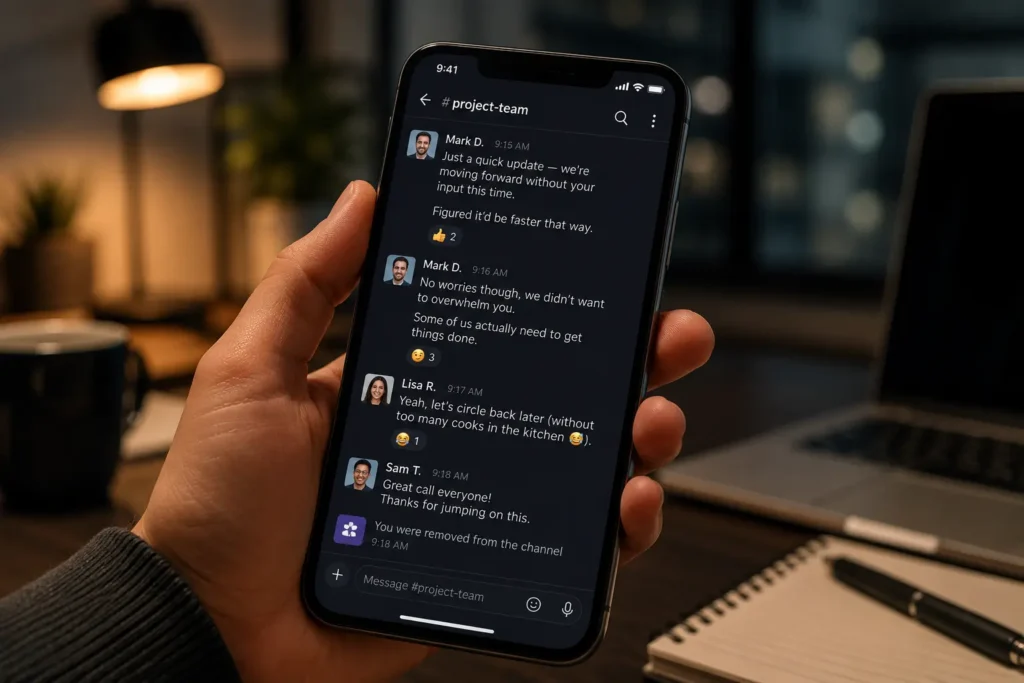
How Does a “Hostile Work Environment” Develop? The Cumulative Impact
A toxic workplace doesn’t happen overnight. It is the cumulative impact of unchecked bad behavior. But what makes it legally actionable?
Courts use the “reasonable person” standard. They ask: Would a reasonable person in your exact situation find this environment hostile or abusive?
General toxicity—like a disorganized company, stressful deadlines, or a boss with a bad temper—does not automatically equal illegal harassment. The toxicity must be rooted in discrimination against a protected class. If the environment is universally miserable for everyone, it’s a bad company. If it is specifically miserable for you because of your gender, it is a hostile work environment.
What Are the Consequences of Workplace Harassment? The Ripple Effect
The damage caused by an unchecked harasser spreads like a virus, destroying individual lives and entire companies.
How Does Harassment Impact the Individual? Psychological and Professional Tolls
For the victim, the cost is staggering.
- Psychological Toll: Victims frequently suffer from severe anxiety, clinical depression, insomnia, and even Post-Traumatic Stress Disorder (PTSD).
- Physical Toll: Chronic stress leads to high blood pressure, weakened immune systems, and chronic fatigue.
- Professional Consequences: Victims often experience a decline in job performance, missed promotions, and eventual job loss.
- The Fear of Retaliation: Many workers stay silent because they fear being fired if they speak up. Note: Firing someone for reporting harassment is illegal retaliation under federal law.
What Are the Repercussions for the Organization? Legal and Reputational Damage
Employers who turn a blind eye face massive consequences:
- Legal Liabilities: Companies can face devastating lawsuits and heavy fines from the EEOC. In 2026, jury verdicts for emotional distress in harassment cases routinely reach hundreds of thousands of dollars.
- Morale and Productivity: When harassment is tolerated, overall employee morale tanks. Productivity grinds to a halt.
- Reputation Damage: A public harassment scandal permanently damages a brand’s image.
- Turnover: High-performing talent will quickly leave a toxic environment, increasing recruitment and training costs.
What Can You Do About Workplace Harassment? Taking Action and Seeking Support
If you are a victim, you must act strategically. Do not just quit in anger. If you resign without a paper trail, you lose your leverage.
What are My Options if I Experience or Witness Harassment? Know Your Rights
Here is your 2026 survival action plan:
- Document Everything (The Paper Trail): This is your first step. Keep a private, written log at home. Record dates, times, locations, exact quotes, and the names of witnesses. Do not forward confidential company files to your personal email to “build a case,” as this can get you legally fired for IT violations.
- Report Internally: You must give the company a chance to fix it. Report the behavior in writing (via email) to Human Resources (HR) or a supervisor. Use clear language: “I am reporting workplace harassment based on my [protected class].” Bcc your personal email so you have proof.
- External Reporting (EEOC): If HR ignores you or retaliates, file a formal Charge of Discrimination with the EEOC. You usually have 180 days from the incident to file. If your state has a Fair Employment Practices Agency (FEPA), you may have up to 300 days.
- Consult an Attorney: If your job is threatened, or you are placed on a sudden Performance Improvement Plan (PIP) after complaining, consult an employment lawyer immediately. Many work on contingency (they only get paid if you win).
- Seek Support: Utilize your company’s Employee Assistance Program (EAP) for confidential counseling, or reach out to worker advocacy groups.
[INSERT IMAGE HERE: A person taking detailed notes in a physical notebook, with a cup of coffee and a laptop nearby.]
How Can Organizations Prevent Harassment? Building a Culture of Respect
For business owners reading this, preventing harassment is cheaper and easier than defending a lawsuit.
- Effective Policies: A zero-tolerance anti-harassment policy must be clearly written in the employee handbook and explicitly state all protected classes.
- Comprehensive Training: Annual, interactive training is mandatory. In 2026, this training must include scenarios about digital harassment and remote work environments.
- Leadership Accountability: Managers must be held accountable. If a leader knows about harassment and does nothing, the company is liable.
- Safe Reporting: Organizations must create multiple, confidential avenues for employees to report abuse without fear of retaliation. Prompt, impartial investigations are absolutely crucial.
Understanding what constitutes workplace harassment is the first step toward reclaiming your career and your peace of mind. By recognizing the red flags, protecting your rights with a solid paper trail, and holding employers accountable, we can build workplaces where respect is the baseline, not a luxury.
Disclaimer: The information provided on this website does not, and is not intended to, constitute legal advice. All information, content, and materials available on this site are for general informational and educational purposes only. Laws regarding employment and labor rights frequently change, and while we strive to keep our content updated, the information on this website may not constitute the most up-to-date legal or other information.
Use of, and access to, this website or any of the links or resources contained within the site do not create an attorney-client relationship between the reader, user, or browser and the website authors, contributors, or its owners. We are an independent publishing platform, not a law firm.
Readers of this website should contact a qualified employment attorney in their specific state to obtain advice with respect to any particular legal matter. No reader or user of this site should act or refrain from acting on the basis of information on this site without first seeking legal advice from counsel in the relevant jurisdiction. Only your individual attorney can provide assurances that the information contained herein – and your interpretation of it – is applicable or appropriate to your particular situation.
Know your rights.
harassment in the workplace,verbal harassment, harassment at work, employer, sexual harassment in the workplace, bully, type of, harassment, form of harassment , common types of harassment, common types of workplace harassment , victim of harassment , law firm , preventing workplace harassment , protection , workplace sexual harassment , employment attorney , legal protections, What qualifies as harassment at work?, How to prove a hostile work environment?, What to do if you are being targeted at work?, What are examples of harassment at work?
sexual orientation , severe or pervasive , gender identity , unwanted sexual , unlawful , derogatory , file a complaint , pervasive enough , create a hostile work environment , workplace harassment cases , visual , harassment , file a lawsuit , discrimination and harassment , harassment claims , respectful workplace , harassed at work , severe or pervasive enough , common examples , ability to do their job , conditions of employment , efforts to report , demotion , employees and employers , create a safe , employment discrimination , harassment may , interferes with an employee’s ability , unwanted behavior , right-to-sue letter , escalation , legal problems , metoo movement , derogatory comments , sexual advances , inappropriate behavior , employer liable , personality conflicts , harassment involves , digital age , harassment specifically , harassment has become , surrounding sexual harassment , sexual harassment towards , harassment becomes